If you live in Lake Wales, FL, you know that our Central Florida summers are intense. The combination of high temperatures, humidity, and sunny days can push your air conditioning system to its limits. Unfortunately, this means AC breakdowns are more common here than in cooler climates. At Ridge Energy Savers, we often see homeowners scrambling for repairs during the hottest months. Understanding why these breakdowns happen — and how to prevent them — can save you from discomfort, costly repairs, and stress.
Lake Wales summers aren’t just hot — they’re relentless. Temperatures frequently climb into the 90s, and with high humidity levels, your AC system has to work overtime to maintain a comfortable indoor environment. This constant operation puts strain on every component of your system, including:
- The compressor
- Condenser coils
- Evaporator coils
- Fan motors
- Refrigerant lines
When an AC is running continuously under heavy loads, even small issues can quickly escalate into major breakdowns.
Several factors contribute to why AC breakdowns happen more often in our local climate:
1. Overworked Systems
Because Central Florida heat starts early and lasts late into the season, many homeowners run their AC for hours every day. Over time, the continuous operation can cause motors to wear out, capacitors to fail, and compressors to overheat. Systems that aren’t designed for heavy or prolonged use may be more prone to failure during peak summer months.
2. Clogged or Dirty Filters
A simple clogged filter can reduce airflow, forcing your system to work harder to cool your home. In humid climates like ours, filters can accumulate dust, pollen, and even mold faster than in drier areas. Reduced airflow leads to overheating, frozen evaporator coils, and strain on the compressor — all common causes of breakdowns.
3. Low or Leaking Refrigerant
Refrigerant is the lifeblood of your AC system. Low levels or leaks reduce the system’s ability to remove heat, causing it to run longer and work harder. This extra stress increases the likelihood of a failure, especially during Lake Wales’ hottest days.
4. Dirty Condenser Coils
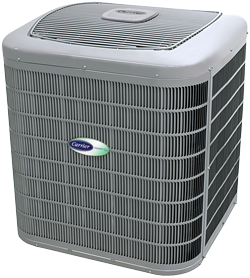
Outdoor condenser units are exposed to dust, pollen, grass clippings, and other debris. Dirty coils reduce heat transfer efficiency, forcing the AC to run longer to achieve the same level of cooling. In Florida, where pollen counts are high and storms can stir up debris, neglected coils can quickly become a problem.
5. Electrical Component Wear
AC systems rely on multiple electrical components to operate, including capacitors, contactors, and relays. The heat of Central Florida can cause these components to degrade faster, increasing the risk of sudden failure.
6. Lack of Regular Maintenance
Many AC breakdowns could be avoided with proper seasonal maintenance. Skipping tune-ups, inspections, and filter replacements can leave minor problems unchecked until they become major failures during the hottest days of the year.
Being proactive is key to avoiding an unexpected AC failure. Some warning signs include:
- Warm air blowing from the vents instead of cool
- Reduced airflow or uneven cooling in different rooms
- Strange noises, such as buzzing, grinding, or rattling
- Water leakage around the indoor unit
- Higher than usual energy bills without an obvious reason
If you notice any of these signs, it’s best to call a professional before the system completely fails.
Here are some practical tips to protect your AC during Central Florida’s heat:
1. Schedule Regular Maintenance
A professional AC tune-up at least once a year can identify small problems before they lead to major failures. Technicians will check refrigerant levels, clean coils, inspect electrical components, and ensure airflow is adequate.
2. Change Filters Frequently
In Florida’s humid climate, filters should be checked monthly and replaced every 30–90 days depending on usage, household size, and filter type. A clean filter keeps airflow strong and reduces strain on your system.
3. Keep Condenser Units Clean
Remove debris from around your outdoor unit and clean the coils as needed. Make sure at least two feet of space surrounds the unit for proper airflow.
4. Use a Programmable Thermostat
Setting your thermostat a few degrees higher when you’re away can reduce the workload on your AC, helping prevent overuse and extending its lifespan.
5. Address Small Problems Quickly
Don’t ignore minor issues like strange noises, reduced airflow, or leaks. Early intervention can prevent a complete system breakdown during peak heat.
Lake Wales’ climate is unique, and AC systems here face specific challenges that may not exist elsewhere. Partnering with a local AC company like Ridge Energy Savers ensures that your system is maintained and repaired with an understanding of these local conditions. Our technicians are familiar with Central Florida’s heat, humidity, and seasonal patterns, which allows us to:
- Offer timely inspections and maintenance
- Provide solutions tailored to local climate challenges
- Respond quickly to emergency breakdowns during heat waves
AC breakdowns happen more frequently in Lake Wales because of the combination of intense heat, high humidity, and continuous use. But many of these breakdowns can be prevented with regular maintenance, proper filter care, and professional attention to your system.
At Ridge Energy Savers, we help Lake Wales homeowners keep their AC systems running efficiently all year long, even during the hottest months. From tune-ups and filter replacements to emergency repairs, we’re here to make sure your home stays cool, comfortable, and safe.
Don’t wait until the next heatwave to discover a problem — schedule your AC inspection today and protect your home from the stress of a breakdown.